Shale Gas Market An Objective Assessment Of The Trajectory Of The Market
Introduction
In recent years, the energy
sector has witnessed a significant shift with the rise of shale gas. Shale gas
is a game-changer in the world of natural gas production, offering vast
reserves and the potential to transform energy markets. In this article, we will
delve into the shale gas market, exploring
its origins, growth, and its impact on the global energy landscape.
What
is Shale Gas?
Shale gas is a type of natural
gas that is trapped within shale rock formations deep underground. Unlike
conventional natural gas reserves, which are relatively easy to access, shale
gas requires advanced drilling techniques, including hydraulic fracturing
(fracking) and horizontal drilling, to extract the gas from the rock
formations.
The
Origins of Shale Gas
The concept of shale gas
extraction dates back several decades, but it wasn't until the late 20th
century that technological advancements made its commercial production
feasible. The United States played a pivotal role in the shale gas revolution,
with the Barnett Shale in Texas being one of the first commercially successful
shale gas plays.
Shale
Gas Market Growth
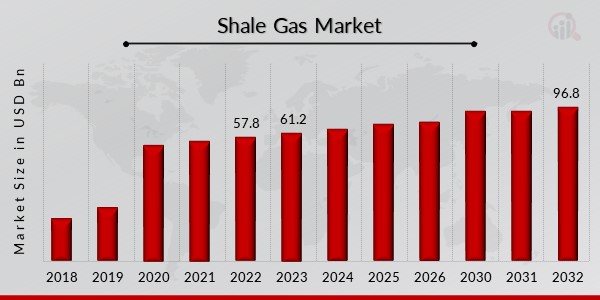
Over the past two decades, the
shale gas market has experienced exponential growth. Countries around the world
have recognized the economic and strategic advantages of domestically produced
shale gas. The United States, Canada, China, Argentina, and several European
countries are among the key players in the global shale gas market.
Advantages
of Shale Gas
1.
Abundant Reserves
One of the most significant
advantages of shale gas is its abundance. The world's recoverable shale gas
reserves are estimated to be enormous, providing a substantial and reliable
source of energy for decades to come.
2.
Energy Security
By tapping into domestic shale
gas reserves, countries can reduce their reliance on imported natural gas,
enhancing their energy security and reducing exposure to international price
fluctuations.
3.
Lower Carbon Emissions
Compared to coal, shale gas
produces fewer carbon emissions when burned for electricity generation, making
it a transitional fuel as the world shifts towards cleaner energy sources.
4.
Job Creation and Economic Growth
The shale gas industry has
created millions of jobs globally, both directly and indirectly, contributing
to economic growth and revitalizing local communities.
Environmental
Concerns
While shale gas offers numerous
benefits, its extraction has raised environmental concerns. The process of
hydraulic fracturing has been linked to water contamination and seismic
activity in some regions. Additionally, methane emissions during production and
transportation can offset the climate benefits of using shale gas over coal.
To address these concerns, the
industry is continuously working on improving extraction techniques and
adopting stringent environmental regulations.
The
Future of the Shale Gas Market
The future of the shale gas
market is promising but uncertain. Technological advancements and further
exploration may lead to the discovery of more reserves and increase production
capabilities. However, the market's growth could also be influenced by
government policies, environmental regulations, and the development of
alternative energy sources.
Conclusion
The Natural
gas market size has undeniably revolutionized the
energy landscape, providing an abundant and accessible source of natural gas.
Its growth has brought economic benefits to various countries, while also
sparking debates on environmental impacts. As technology and awareness evolve,
striking a balance between energy needs and environmental responsibility will
be key to ensuring a sustainable future for the shale gas industry.
Related
Reports
Comments
Post a Comment