Hydrogen Fueling Station Market Estimated To Experience A Hike In Growth By 2032
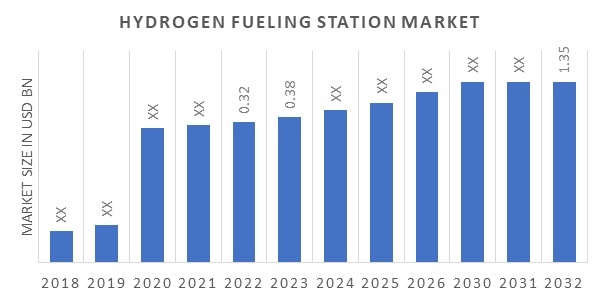
In recent years, as the world
grapples with the pressing need to combat climate change and reduce greenhouse
gas emissions, the spotlight has increasingly turned towards alternative energy
sources. One such promising solution is hydrogen fuel, which presents an
eco-friendly and sustainable way to power vehicles and industries.
As the demand for clean energy
rises, the hydrogen fueling station market
has emerged as a vital component of the green energy infrastructure. In this
article, we will explore the growth, significance, challenges, and future
prospects of the hydrogen fueling station market.
1.
What is a Hydrogen Fueling Station?
A hydrogen fueling station, also
known as a hydrogen refueling station, is a facility that dispenses hydrogen
gas to fuel cell vehicles and other hydrogen-powered machinery. These stations
play a crucial role in supporting the adoption of hydrogen fuel cell
technology, which converts hydrogen gas into electricity to power vehicles,
emitting only water vapor as a byproduct.
2.
The Growing Importance of Hydrogen Fueling Stations
The transition from conventional
fossil fuels to renewable energy sources has become a global priority.
Hydrogen, as an energy carrier, is garnering attention due to its clean and
efficient characteristics. Unlike traditional fossil fuels, hydrogen does not
emit harmful pollutants or greenhouse gases when used as an energy source,
making it a viable solution for mitigating climate change.
3.
Factors Driving the Hydrogen Fueling Station Market
a.
Government Initiatives and Incentives
Governments worldwide are
actively promoting the adoption of hydrogen fuel cells and investing in the
establishment of hydrogen fueling infrastructure. Incentives, subsidies, and
tax benefits are being offered to encourage private entities and investors to
participate in the development of hydrogen fueling stations.
b.
Advancements in Fuel Cell Technology
Continuous advancements in fuel
cell technology have significantly improved the efficiency and reliability of
hydrogen fuel cells. As fuel cell vehicles become more viable and
cost-effective, the demand for hydrogen fueling stations is projected to rise.
c.
The Rise of Hydrogen-Powered Vehicles
Major automakers are
increasingly investing in hydrogen-powered vehicle development. The expansion
of fuel cell vehicle fleets necessitates the availability of a robust hydrogen
fueling infrastructure to support their growth.
4.
Challenges Hindering Market Growth
Despite the potential and
promise of hydrogen fueling stations, several challenges are impeding their
rapid expansion:
a.
High Initial Infrastructure Costs
The establishment of hydrogen
fueling stations requires substantial upfront investment, including the costs
of production, storage, and dispensing equipment. The high initial
infrastructure costs can deter potential investors and stakeholders.
b.
Limited Hydrogen Production and Distribution
Hydrogen production is
predominantly reliant on fossil fuels, which limits its true potential as a
clean energy source. Developing efficient and sustainable methods for hydrogen
production and distribution is a pressing challenge.
c.
Competing Infrastructure Technologies
The market faces competition
from other alternative fueling technologies, such as electric vehicle charging
stations. Convincing stakeholders to invest in hydrogen fueling stations over
other options requires highlighting its unique advantages and long-term
benefits.
5.
Future Outlook for the Hydrogen Fueling Station Market
The future of the hydrogen
fueling station market looks promising, with several developments on the
horizon:
a.
Green Hydrogen Production
Efforts are underway to produce
"green hydrogen" using renewable energy sources like solar, wind, and
hydropower. Green hydrogen eliminates the carbon footprint associated with
conventional hydrogen production, making it a game-changer for the industry.
b.
Public-Private Partnerships
Collaborations between
governments, private companies, and research institutions are expected to
accelerate the development of hydrogen infrastructure. Public-private
partnerships can help share the costs and resources needed for widespread
deployment.
c.
Technological Advancements
Advancements in hydrogen
storage, transportation, and distribution technologies will make hydrogen
fueling stations more efficient and cost-effective.
Conclusion
The hydrogen
fueling station Infrastructure market size is
poised to play a significant role in the global transition to clean and
sustainable energy systems. With growing support from governments, advancements
in technology, and increasing interest from major industries, hydrogen fueling
stations are set to be a cornerstone of the green future. Overcoming challenges
and capitalizing on opportunities will be crucial to unlocking the full
potential of hydrogen as a clean energy solution, driving us towards a greener
and more sustainable tomorrow.
Related
Reports
Energy Harvesting Market
share
Comments
Post a Comment